Sue Johnson: A legacy of culture and community on the island
- Bobby Stanton
- Sep 13, 2025
- 3 min read
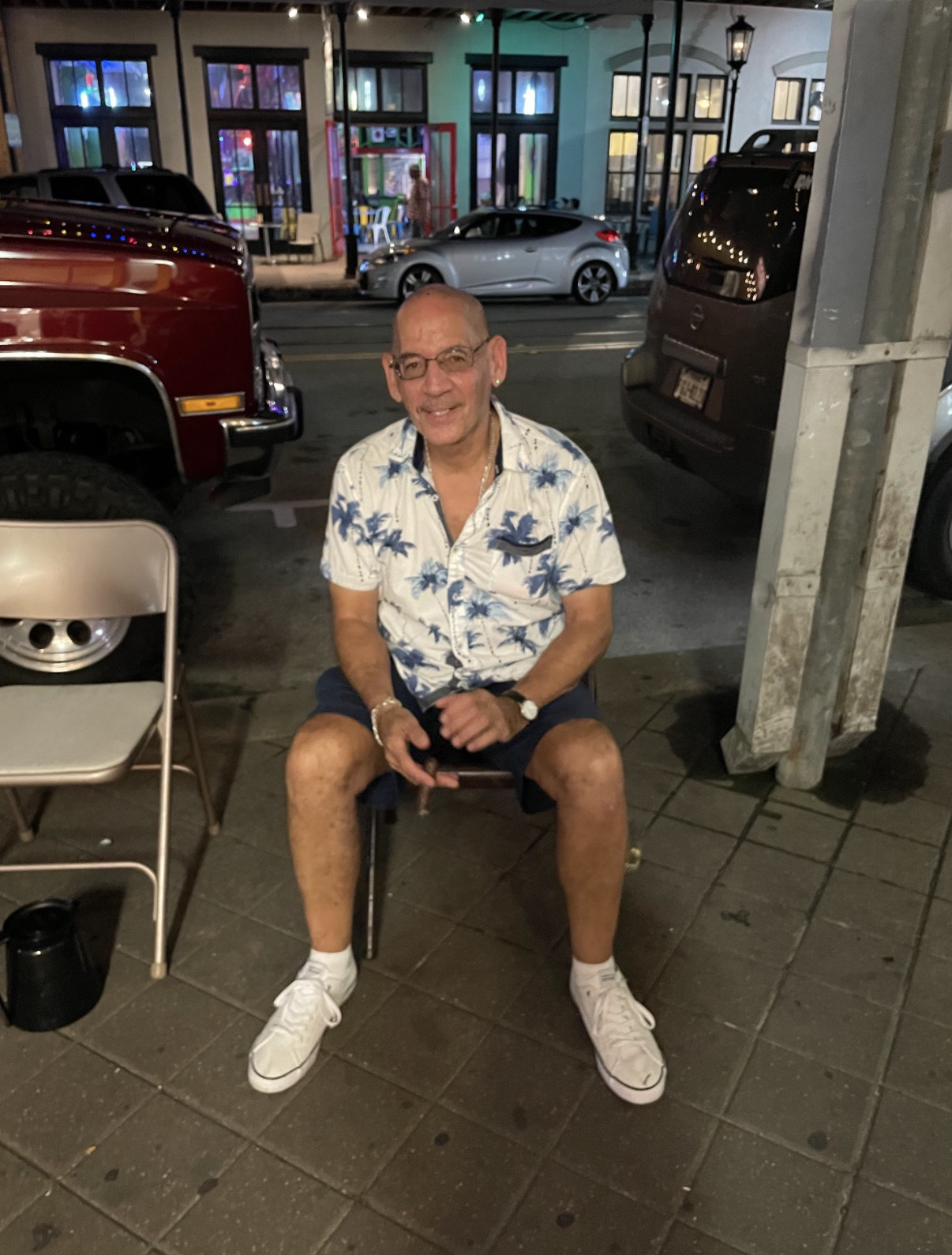
At the heart of Galveston’s Strand sits the Nia Cultural Center, a vibrant hub of history, art, and community pride. Its founder, Sue Johnson, has dedicated her life to preserving and uplifting African American culture on the island. I sat down with Sue to talk about her upbringing, inspirations, and the journey that led her to create Nia.

Q: It’s a pleasure to connect with you, Sue. Are you from Galveston?
Sue: Yes, absolutely.
Q: You grew up here?
Sue: All my life.
Q: Did you attend Central High?
Sue: No, I went to Ball High. But before that, I attended Booker T. Elementary, Lovenberg, and Central Junior High. After Ball High, I went on to the University of Texas Medical Branch.
Q: Did you study medicine?
Sue: No, I studied health care administration. I earned my undergraduate degree there, and later completed my master’s in business administration at LeTourneau University.
Q: When did you retire?
Sue: I retired in 2007 from UTMB.
Q: What was it like growing up in Galveston in the ’60s and ’70s?
Sue: The ’60s were the Civil Rights era – a revolutionary period. I was a homebody, a bookworm, and a voracious reader. I searched for everything I could about Black history, though there was very little available then. My father was also a big reader. He had novels by Black writers and subscribed to Muhammad Speaks, which emphasized self-help and community. Those influences shaped my self-perception. As a young person, I once believed we were “minor” compared to white people, but reading more about our history and accomplishments helped me see our brilliance and resilience.
Q: Who was your biggest role model growing up?
Sue: My mother, Lurlene Simmons. She was hardworking, ambitious, and went through nursing school while raising four children. My father, Raymond Simmons, was a hustler – what I call a “street-trepreneur.” Later in life, he became a drug counselor and a deacon, determined to undo some of the harm from his earlier years. Together, they balanced each other.
Q: After retiring, what did you do next?
Sue: I devoted myself full-time to what I had already been doing part-time for about ten years – programming that uplifted the African American community, especially youth. At the time, Galveston was facing a crisis of youth violence. Young men were dying, and young mothers were shopping for headstones. I wanted to create programs that offered hope, guidance, and pride.
Q: How did the Nia Cultural Center begin?
Sue: I incorporated Nia in 1992, starting out at Holy Rosary Catholic Church thanks to Father Paul, who gave us space. Our first program was the Girls Rites of Passage, rooted in African traditions of preparing young women for adulthood with guidance from elders.
Q: Today, the Nia Center on the Strand is a centerpiece of Juneteenth celebrations. Can you connect the journey from those early days to now?
Sue: At Holy Rosary, I had the chance to teach young people about their history, their brilliance, and their possibilities. Now, in this space on The Strand – just blocks from where enslaved people were once sold – we showcase resilience, creativity, and achievement. It’s powerful to see the journey from bondage to brilliance reflected in our community’s story.
Q: Who helped make the current Nia Center possible?
Sue: Sam Collins and Sheridan Lorenz were instrumental. Sheridan is George Mitchell’s daughter, and she brought strong support to the project.
Q: Looking ahead, what’s next for Nia?
Sue: We want to scale up. Beyond this space, we hope to expand into schools, parks, and community centers across the city – wherever we can connect with young people. Our goal is to give them the knowledge, resources, and encouragement to see themselves as the brilliant diamonds they are.
Q: Some people see you as a pillar of Galveston’s Black community. Your thoughts?
Sue: I’m flattered, but I stand on the shoulders of many powerful people, most of them unsung. People like Alice Gatson, Izola Collins, Gloria Haywood, Jewel Banks, Janice Stanton, Charles Scott, and Rufus Gibson. Their contributions paved the way for us. I simply continue their work.
Q: Any final thoughts?
Sue: I’m grateful for the opportunity to share my journey and to talk about the community that shaped me. Galveston has always had brilliance, resilience, and strength. It’s my honor to help keep that alive.


Comments